

Common Health Issues
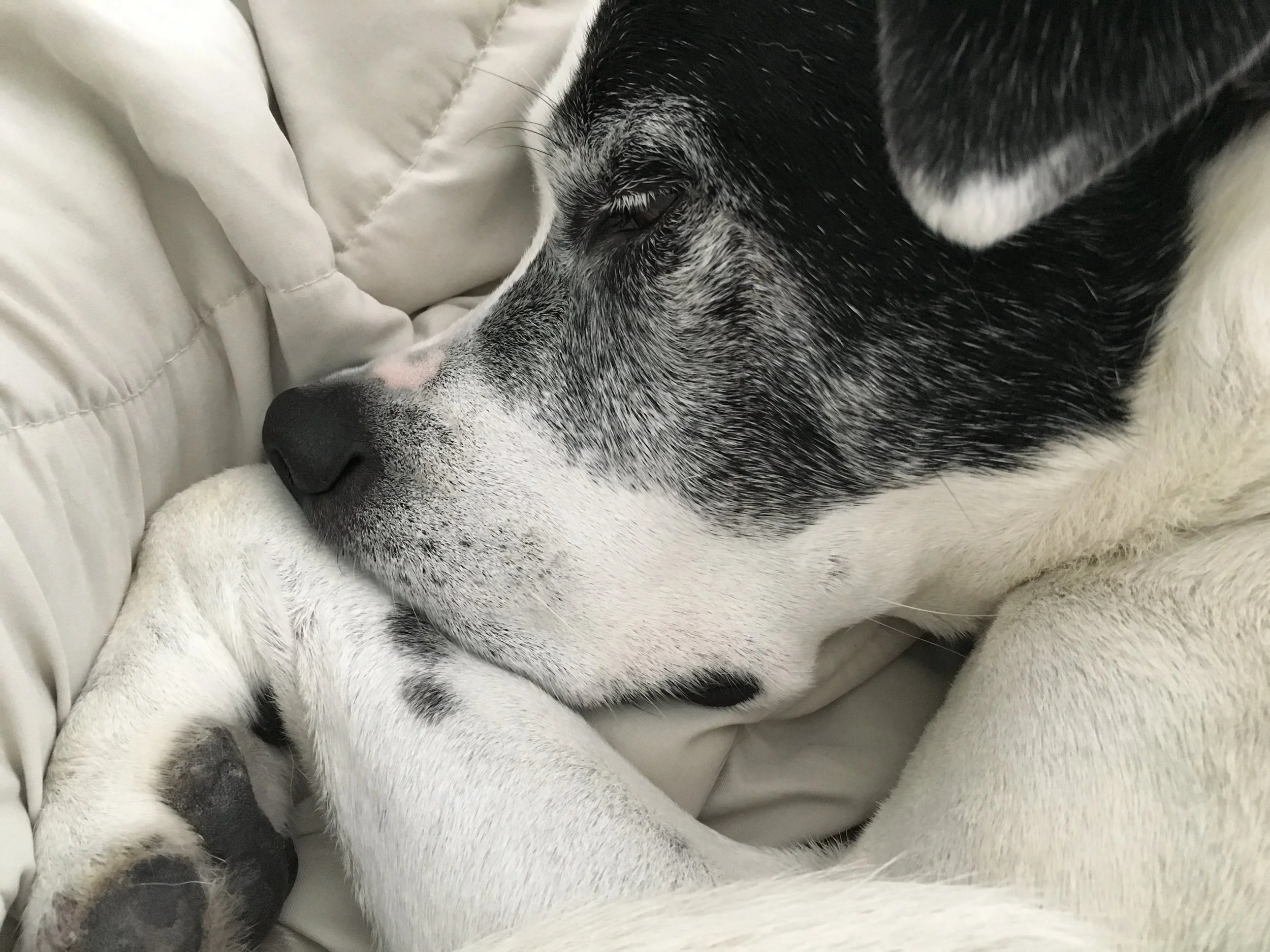
Your guide to recognizing, understanding, and responding to the everyday health conditions dogs face most often.
Most dogs will experience at least a few of these conditions in their lifetime. Knowing what to look for — and when to act — means you can catch problems early, avoid unnecessary panic, and have smarter conversations with your vet.
Urinary Issues
Changes in your dog's bathroom habits — how often they go, how much they produce, straining, accidents indoors — are often the first signal of a urinary problem. Some are straightforward to treat; others point to something more serious.
Signs of a urinary problem:
Urinating more frequently than normal, or asking to go out repeatedly
Producing only small amounts of urine each time
Straining or squatting for a long time with little to show for it
Crying or whimpering while urinating
Blood in the urine (may look pink, red, or brownish)
Strong or unusually foul-smelling urine
Licking at the genitals frequently
Accidents indoors in a house-trained dog
Dribbling urine or leaking when resting
Increased water consumption alongside increased urination
Common urinary conditions:
Urinary Tract Infection (UTI) — The most common urinary problem in dogs. Bacteria (most often E. coli from fecal contamination) travel up the urethra into the bladder, where they multiply. Female dogs are significantly more susceptible due to their shorter, wider urethra. Signs are the classic cluster: frequent urination, straining, blood in urine, strong smell. Diagnosed with a urinalysis and urine culture; treated with a targeted antibiotic course. Most dogs improve within a few days of starting antibiotics.
Bladder Stones (Uroliths) — Mineral deposits that form inside the bladder. They range from tiny crystals to stones the size of a grape, and some dogs develop many small stones while others have a single large one. Signs mimic a UTI — straining, blood in urine, frequent urination — but don't respond to antibiotics alone. Diagnosed with X-ray or ultrasound. The two most common types are:
Struvite stones — usually infection-related; often dissolvable with a prescription diet over 8–12 weeks, combined with antibiotics
Calcium oxalate stones — cannot be dissolved; require surgical removal or laser lithotripsy (a non-surgical technique using a scope and laser to break up the stones)
Diet plays a major role in both treatment and prevention — your vet may recommend a prescription urinary diet, and encouraging water intake (wet food, water fountains, adding water to kibble) is one of the most effective preventive measures.
Urinary incontinence — Leaking urine involuntarily, often when resting or sleeping. The most common form is hormone-responsive incontinence in spayed females, where reduced estrogen weakens the urethral sphincter. Responds well to medication (phenylpropanolamine, or PPA). Also seen in older dogs of both sexes as muscle tone decreases with age.
Urethral obstruction — A partial or complete blockage of the urethra, usually from a stone. A dog that is straining repeatedly and producing absolutely no urine is in a medical emergency — a complete urethral obstruction is life-threatening within hours. Go to an emergency vet immediately.
Increased drinking AND urinating (PU/PD) — When both go up together, it's often a sign of a systemic issue rather than a simple UTI. Common causes include diabetes mellitus, Cushing's disease (hyperadrenocorticism), kidney disease, and liver disease. If your dog is suddenly drinking far more water than usual and urinating frequently but not straining, a blood and urine panel — not just a urinalysis — is warranted.
What to do:
Any sign of straining with little or no urine output is an emergency — call your vet or go to an emergency clinic right away. For everything else — blood in urine, frequent urination, accidents indoors — schedule a vet visit promptly (same day or next day if possible). Your vet will start with a urinalysis and may follow with a urine culture, X-rays, or ultrasound depending on what they find.
There are no reliable home remedies for UTIs or bladder stones in dogs. Cranberry supplements, a popular folk remedy, have not been shown to treat or reliably prevent UTIs in dogs. Antibiotics require a prescription and should be targeted to the specific bacteria causing the infection — giving the wrong antibiotic (or a leftover course from a previous infection) can make resistance worse without solving the problem.
Supporting urinary health long-term:
Keep fresh water available at all times and encourage drinking — dilute urine is less likely to develop crystals and is less hospitable to bacteria
Incorporate wet food or add water to kibble, especially for dogs prone to stones
Allow frequent bathroom breaks — holding urine for long periods increases bacterial growth
Keep the genital area clean and dry, especially in female dogs with skin folds
Sources: AVMA (American Veterinary Medical Association,Veterinary Partner, VCA Animal Hospitals , PetMD , American Animal Hospital Association, MedVet, PMC / NIH peer-reviewed research, ASPCA Animal Poison Control, Merck Veterinary Manual, VIN (Veterinary Information Network), Cornell University College of Veterinary Medicine, Canine Arthritis Resources and Education, Zoetis Petcare, Sustainable Vet, and trusted Veterinarians along my 17-year journey as a dog mom
The Good Boy Foundation is committed to providing valuable resources and education to empower pet parents in caring for their furry companions. However, it's important to note that the information provided on our website is intended for educational purposes only and should never replace the advice or treatment provided by a licensed veterinarian. While we strive to offer accurate and helpful guidance, we cannot be held responsible for any outcomes or consequences resulting from the application of this information. Pet parents are encouraged to consult with their veterinarian for personalized guidance and recommendations tailored to their pet's specific needs and circumstances.