

Skin Conditions
Skin Conditions
Skin problems are the most common category of health issues seen in dogs. They're also among the most misunderstood — many look similar on the surface but have very different causes and treatments. The most important thing is figuring out the "why," because treating the symptom without the cause means it will keep coming back.
A note on skin conditions overall: Recurring skin issues are almost always a sign of something systemic — allergies, hormonal imbalances, or nutritional gaps. If your dog is on a cycle of skin treatments that keep working temporarily and then failing, ask your vet about allergy testing or a deeper diagnostic workup rather than just treating each flare as it comes.
Hot Spots (Acute Moist Dermatitis)
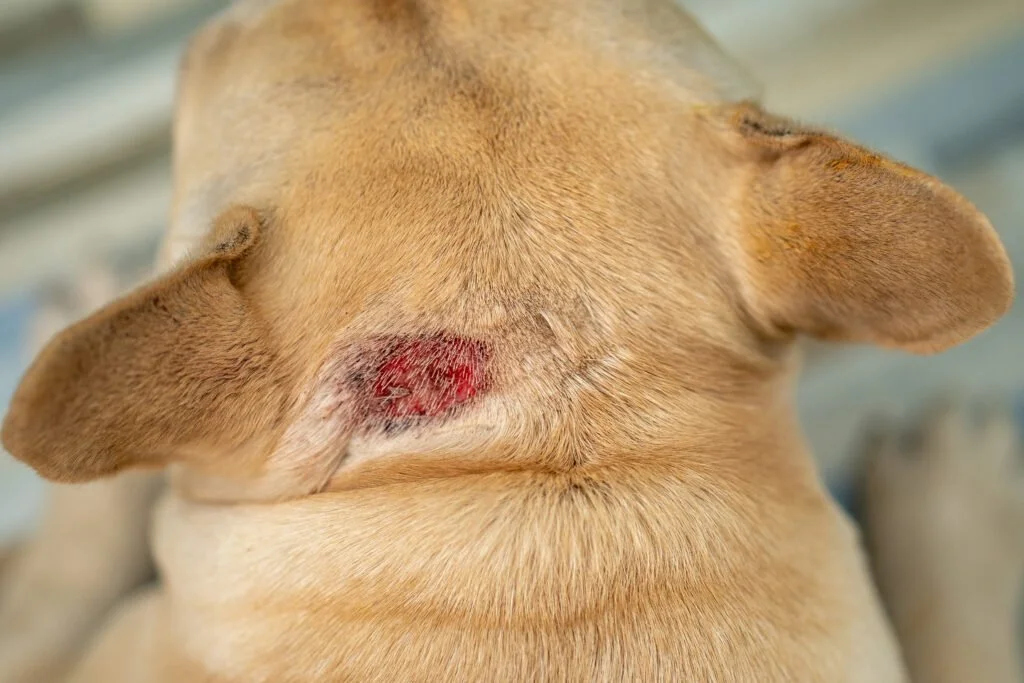
Hot spots are exactly what they sound like — raw, moist, red, and inflamed patches of skin that appear suddenly and can grow rapidly. They develop when a dog scratches, licks, or chews repeatedly at one area, breaking the skin and introducing bacteria.
Triggers: Allergies, flea bites, insect stings, matted fur, moisture trapped in the coat after swimming or bathing, boredom or anxiety-driven licking.
Most affected breeds: Golden Retrievers, Labrador Retrievers, German Shepherds, and other thick-coated dogs.
Signs: A circular, wet-looking, red patch — often with hair loss around it. The dog will be intensely focused on the area and won't leave it alone.
What to do: Clip the hair around the hot spot to allow it to dry and breathe. Gently clean with a mild antiseptic like dilute chlorhexidine. Apply a 1% hydrocortisone spray to reduce inflammation. Put an e-collar on your dog immediately — they must be prevented from licking or it will never heal. See your vet: most hot spots need a short course of antibiotics or steroids to clear fully.
Mange
Mange is caused by microscopic mites living in or on the skin — and there are two very different types:
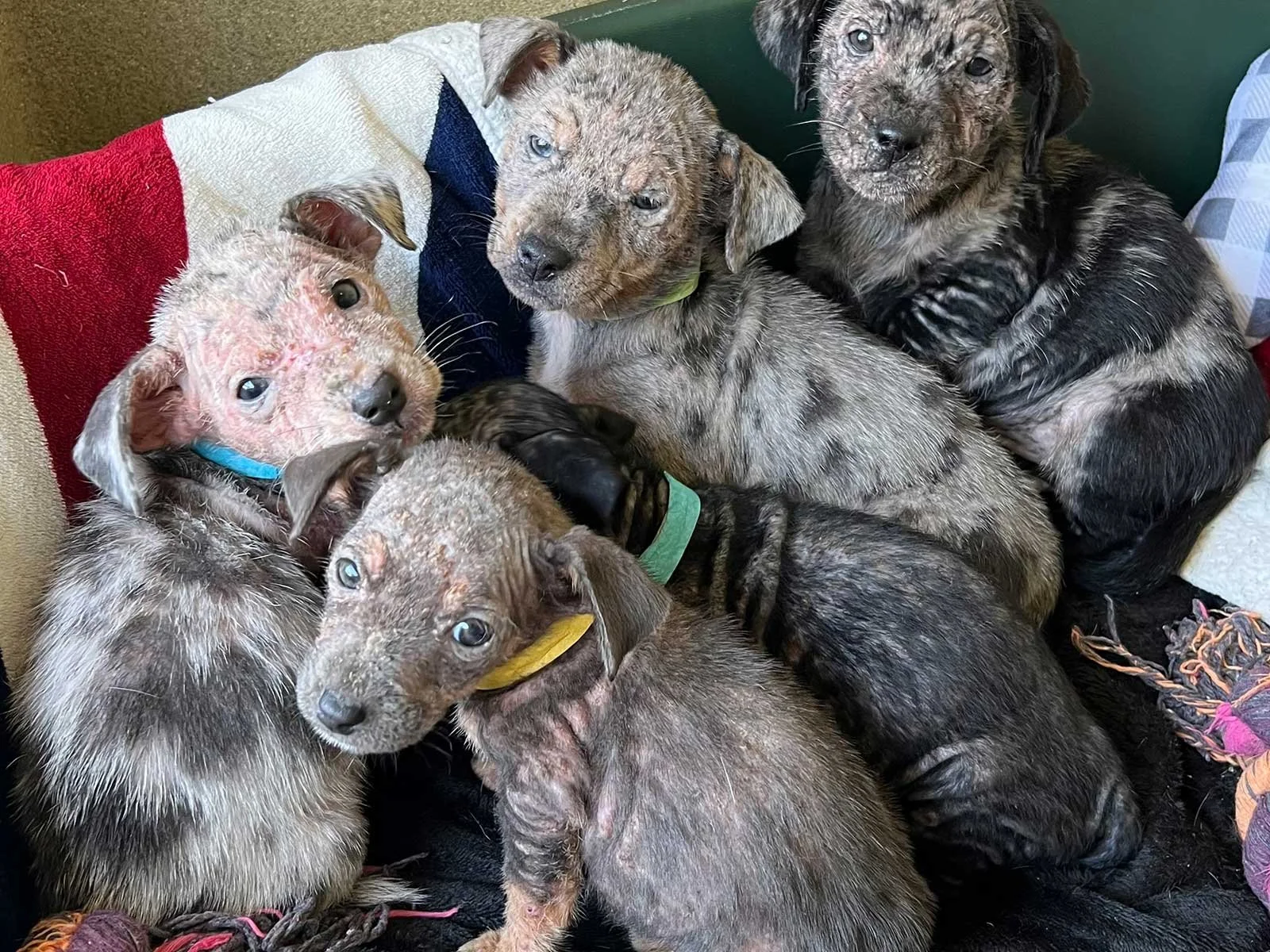
Sarcoptic mange (scabies) — Caused by Sarcoptes scabiei mites that burrow into the skin. Intensely itchy. Spreads easily between dogs and is contagious to humans (causes a temporary rash). Signs: severe itching, hair loss, crusty skin, especially on the ears, elbows, and belly. Requires prescription treatment — medicated dips, injections, or oral medication.
Demodectic mange (demodex) — Caused by Demodex mites that naturally live in hair follicles. Normally kept in check by the immune system; becomes problematic when immunity is compromised. Not contagious. Signs: patchy hair loss, scaling, often starting around the face and eyes. Mild cases may resolve on their own; generalized cases require treatment.
If you notice significant hair loss, crusty or thickened skin, or intense itching — especially in puppies or immunocompromised dogs — see your vet. Mange is diagnosed with a skin scraping.
Ringworm
Despite the name, ringworm is not a worm — it's a fungal infection of the skin, hair, and sometimes nails. It's contagious to other dogs, cats, and humans.
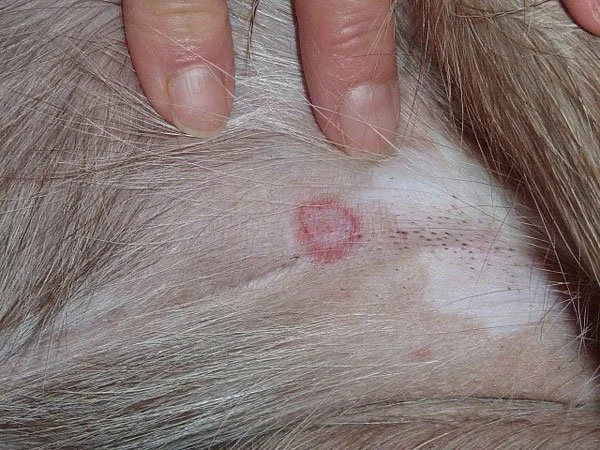
Signs: Circular patches of hair loss with scaly, crusty edges. Most common on the face, ear tips, paws, and tail. May or may not be itchy.
Treatment: Medicated antifungal shampoos for the whole coat, combined with oral antifungal medication in most cases. Treatment takes weeks and requires environmental decontamination (the fungal spores are hardy). Your vet will confirm with a fungal culture or Wood's lamp examination.
Yeast Dermatitis
Yeast overgrows on skin when the normal skin barrier is disrupted — usually by allergies, moisture, or other skin conditions. It thrives in skin folds, ears, paws, and armpits.
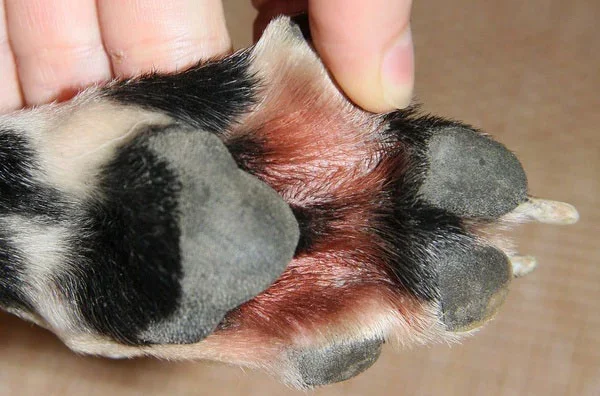
Signs: A distinctive "corn chip" or "Fritos" smell, greasy or thickened skin, rust-brown staining between toes, constant paw licking, head shaking. Skin may appear darker than normal over time.
Treatment: Antifungal shampoos, topical sprays, and sometimes oral medication. Will recur unless the underlying cause (usually allergies) is addressed.
Seborrhea
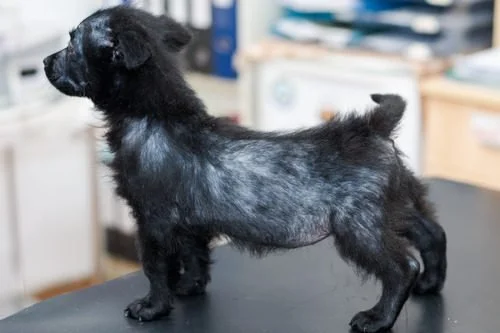
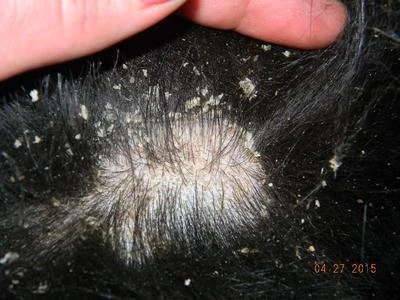
Seborrhea is a condition where the skin's oil glands overproduce, causing flaking, greasiness, and irritation. It can be a primary condition (genetic) or secondary to allergies, hormonal imbalances, or nutritional deficiencies.
Signs: Flaky, dandruff-like skin (dry seborrhea) or greasy, oily skin with a musty odor (oily seborrhea). Scaling is most visible on the back, flanks, and skin folds.
Treatment: Medicated shampoos are the cornerstone. If secondary, treating the underlying cause is essential.
Sources: AVMA (American Veterinary Medical Association,Veterinary Partner, VCA Animal Hospitals , PetMD , American Animal Hospital Association, MedVet, PMC / NIH peer-reviewed research, ASPCA Animal Poison Control, Merck Veterinary Manual, VIN (Veterinary Information Network), Cornell University College of Veterinary Medicine, Canine Arthritis Resources and Education, Zoetis Petcare, Sustainable Vet, and trusted Veterinarians along my 17-year journey as a dog mom
The Good Boy Foundation is committed to providing valuable resources and education to empower pet parents in caring for their furry companions. However, it's important to note that the information provided on our website is intended for educational purposes only and should never replace the advice or treatment provided by a licensed veterinarian. While we strive to offer accurate and helpful guidance, we cannot be held responsible for any outcomes or consequences resulting from the application of this information. Pet parents are encouraged to consult with their veterinarian for personalized guidance and recommendations tailored to their pet's specific needs and circumstances.