

General Wellness: Keeping Your Dog Healthy for Life
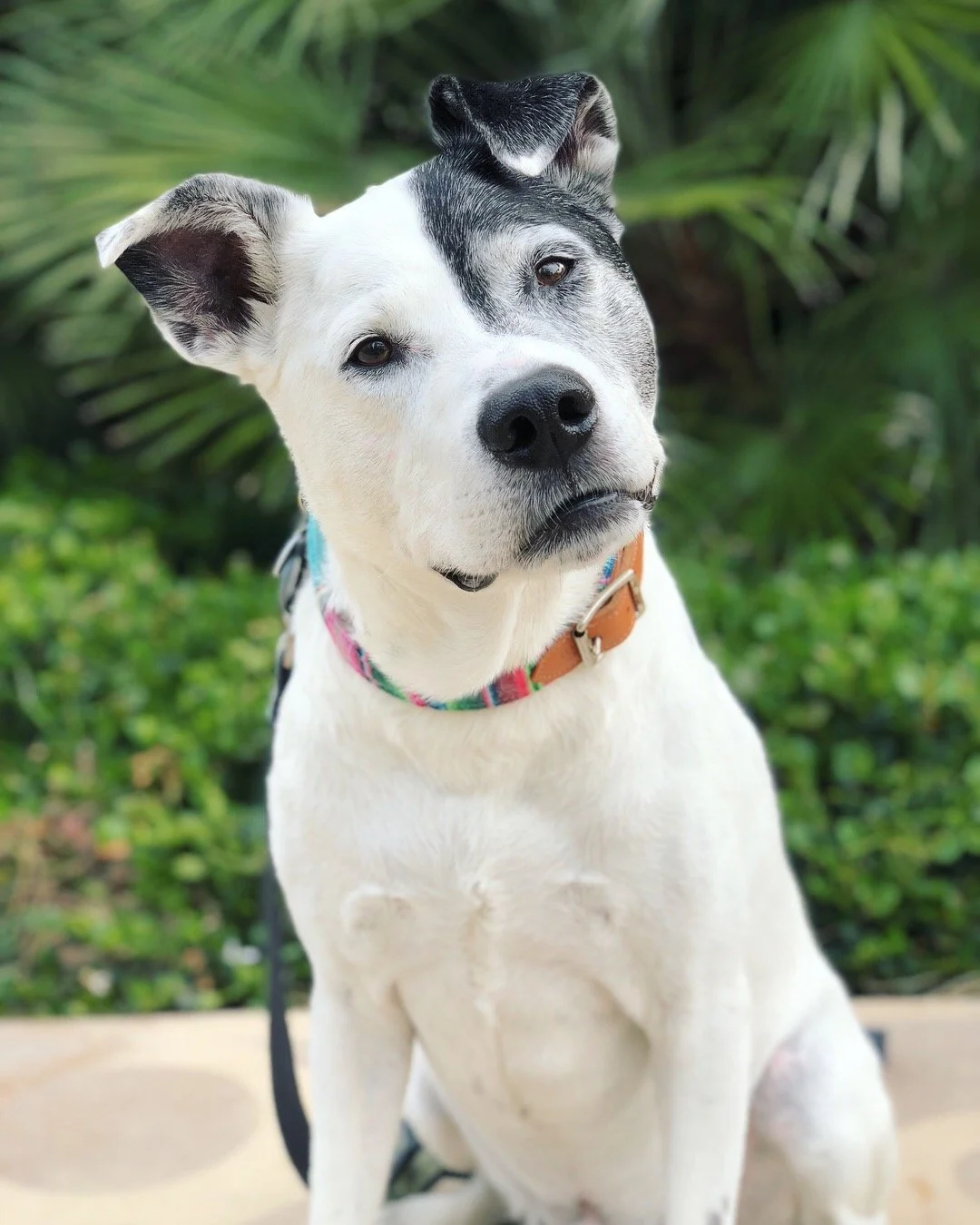
General wellness isn't just about vet visits — it's the daily, weekly, and monthly habits that keep a dog thriving at every life stage. This reference guide covers everything a dog parent needs to know to be proactive about their dog's health: understanding what's normal, recognizing early signs of illness, building a strong nutritional foundation, maintaining a healthy weight, meeting exercise and mental enrichment needs, establishing good grooming routines, and knowing when and how to involve a veterinarian. Whether you're caring for a brand-new puppy, a middle-aged adult dog, or a senior companion, this guide provides the tools to make informed, confident decisions about your dog's wellbeing every single day.
Mental Enrichment — Exercise for the Brain
Mental Health & Emotional Wellbeing
At-Home Grooming
Questions to Ask at Your Wellness Visit
Physical exercise is essential — but mental stimulation is equally important for a happy, well-behaved dog. A dog whose brain is engaged is less anxious, less destructive, and more content. Research shows that mental exercise can be as tiring as a long walk.
Dogs have up to 300 million scent receptors, compared to about 6 million in humans. Their sense of smell is their most powerful cognitive tool — giving them opportunities to use it is one of the most natural and satisfying forms of enrichment available.
Enrichment Ideas
Sniff walks: Let your dog stop and sniff freely instead of keeping pace. A 20-minute sniff walk is more mentally satisfying than a 20-minute power walk. Here at the Good Boy Foundation we call these “Snifaris”.
Puzzle feeders & food toys: Instead of a bowl, make them work for their meal. Kongs, snuffle mats, Licki mats, and puzzle boards provide 10–30 minutes of focused engagement.
Training new skills: Even 5 minutes of learning a new trick challenges the brain and strengthens your bond
Hide-and-seek: Hide kibble or small treats around the house and let them find it
Novelty: New walking routes, new smells, new environments — within your dog's comfort level
Interactive play: Tug, fetch, chase with you directly — the social element amplifies the benefit
Signs Your Dog Needs More Mental Stimulation
Excessive barking, especially when alone
Anxious or compulsive behaviors — tail chasing, excessive paw licking
Destructiveness despite adequate physical exercise
Constant following and inability to settle
Part 7: Mental Enrichment — Exercise for the Brain
Dogs have rich emotional lives. Stress, anxiety, and depression are real conditions — not just human concepts projected onto pets. Chronic stress harms the immune system, disrupts digestion, affects cognitive function, and significantly reduces quality of life.
Signs of Stress or Anxiety
Repeated yawning outside of tiredness
Lip licking when not hungry
Whale eye — showing the whites of the eyes
Ears pinned back; tail tucked
Excessive panting at rest or in a cool environment
Drooling without food present
Pacing, inability to settle
Destructive behavior when alone (separation anxiety)
Aggression that seems out of character
Loss of appetite; excessive clinginess or sudden withdrawal
What Helps
Predictability and routine: Dogs thrive when they know what to expect. Consistent feeding, walk, and bedtimes reduce baseline anxiety significantly.
A safe space: A crate, bed in a quiet corner, or specific room associated with calm. Never use for punishment.
Adequate exercise: A tired dog is a calmer dog. Many anxiety behaviors are partly an energy problem.
Social connection: Regular interaction, play, and physical affection with their people is a core need — not optional.
Trigger management: Work with your vet or a certified trainer to address known triggers proactively.
When to Seek Help
If anxiety significantly affects your dog's quality of life — can't be left alone, terrified of storms, reactive on leash — talk to your vet. There are safe, effective medications and behavioral approaches that make a real difference. You don't have to just live with it.
Part 9: At-Home Grooming
Regular grooming is more than cosmetic — it's how you spot lumps, parasites, skin infections, and coat changes before they become serious. Every grooming session is also a head-to-tail health check.
Brushing
| Coat Type | Frequency |
|---|---|
| Short coats (Beagles, Boxers, Labs) | Weekly |
| Medium coats (Golden Retrievers, Australian Shepherds) | 2–3 times per week |
| Long or curly coats (Poodles, Shih Tzus, Maltese) | Daily — prevents painful matting |
| Double-coated breeds (Huskies, German Shepherds) | More frequent during seasonal coat blows (spring/fall); undercoat rake essential |
Always brush before bathing — tangles become nearly impossible to remove once wet.
Bathing
Most dogs need a bath every 4–8 weeks
Use shampoo formulated specifically for dogs — human shampoos are too acidic for canine skin
Hypoallergenic, fragrance-free formula is the safest for regular use
Bathing too frequently strips natural oils and dries the skin
Nail Trimming
Trim every 2–4 weeks — you'll hear nails clicking on floors when they're too long
Overgrown nails force an unnatural foot position and contribute to joint problems over time
Ask your vet or groomer to demonstrate technique if you're unsure
Desensitize dogs to paw handling from puppyhood to make this easier long-term
Ear Cleaning
Check ears weekly — odor, dark discharge, redness, or scratching are signs of a problem
Clean with a vet-approved ear cleaner on a cotton ball
Never insert cotton swabs into the ear canal
Frequency varies by breed and lifestyle — ask your vet
Teeth
Daily brushing is the gold standard; even a few times per week makes a meaningful difference
Use pet-specific toothpaste — human toothpaste contains xylitol or fluoride, both toxic to dogs
Start with a finger brush, build up to a toothbrush over time — keep sessions short and positive
VOHC-approved dental chews are a helpful supplement, not a replacement, for brushing
Part 10: Questions to Ask At Your Wellness Visit
Is my dog at a healthy weight? What should they be eating and how much?
Are there any early signs of disease I should be monitoring?
What vaccines or boosters are due today?
Should we run bloodwork this year, given their age?
My dog seems stiffer in the morning — is that worth investigating?
Are there any breed-specific conditions I should be watching for?
I've noticed [specific change] — is that something to track?
How often should I bring them in given their age and health status?
Is my dog's current parasite prevention covering everything they need?
Are there any supplements that might benefit my dog at this life stage?
Sources: AVMA (American Veterinary Medical Association,Veterinary Partner, VCA Animal Hospitals , PetMD , American Animal Hospital Association, MedVet, PMC / NIH peer-reviewed research, ASPCA Animal Poison Control, the Companion Animal Parasite Council (CAPC), Merck Veterinary Manual, VIN (Veterinary Information Network), Cornell University College of Veterinary Medicine, Canine Arthritis Resources and Education, Zoetis Petcare, Sustainable Vet, and trusted Veterinarians along my 17-year journey as a dog mom
The Good Boy Foundation is committed to providing valuable resources and education to empower pet parents in caring for their furry companions. However, it's important to note that the information provided on our website is intended for educational purposes only and should never replace the advice or treatment provided by a licensed veterinarian. While we strive to offer accurate and helpful guidance, we cannot be held responsible for any outcomes or consequences resulting from the application of this information. Pet parents are encouraged to consult with their veterinarian for personalized guidance and recommendations tailored to their pet's specific needs and circumstances.