

Before You Go: Getting Travel-Ready
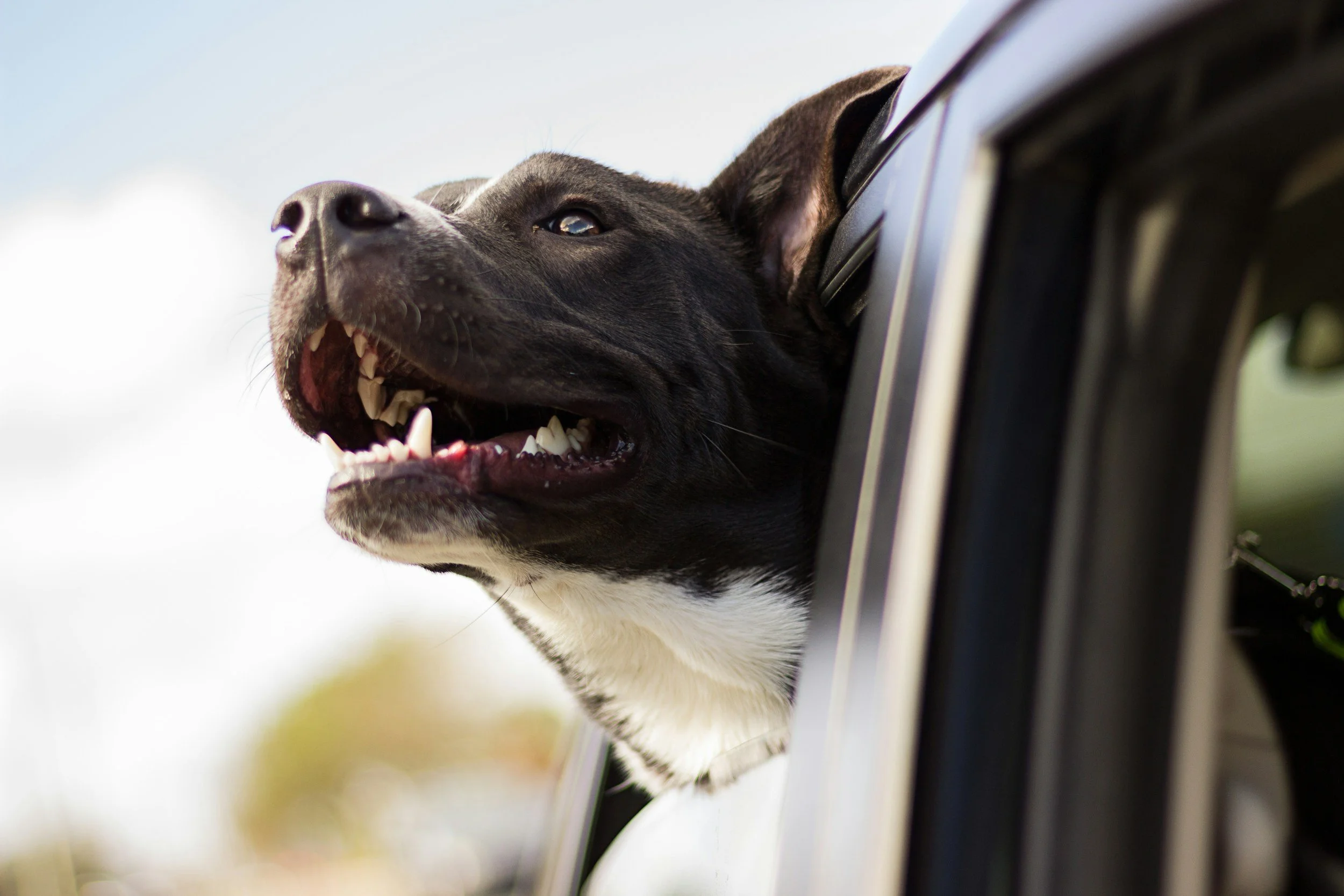
No matter how your dog is traveling — by car, plane, or boat — the prep work you do before you leave is the most important part of the trip. Taking a little time to check off these steps will help ensure your adventure goes as smoothly as possible.
Visit Your Veterinarian
Before any trip, especially a long one, check in with your vet to make sure your dog is healthy enough to travel. This is a great time to confirm that vaccines and parasite preventives are up to date, ask about motion sickness or anxiety support if your dog is a nervous traveler, and get any required health certificates (most airlines require one issued within 10 days of travel). If your dog takes regular medications, make sure you have enough supply to last the trip — plus a few extra days just in case.
Bring these documents with you during travel: your veterinarian's name and contact number, proof of rabies vaccination, a list of all medications and doses, and your dog's microchip number. Some local ordinances require dogs to have proof of immunization if requested, and you'll definitely need documentation for international travel or flights.
Update ID Tags and Microchip
New environments are exciting — and a little disorienting — for dogs. Even the most well-behaved pup can bolt in a moment of stress or curiosity. Before you leave, make sure your dog's ID tag has your current phone number and that their microchip registration is active and up to date with your contact information. Consider adding a temporary travel tag with the phone number of someone who can reach you at your destination. These small steps make an enormous difference if your dog ever slips away.
Pack the Essentials
When it comes to your dog's food and medications, always pack them in your carry-on or with easy access — not buried in checked luggage. Consistency in diet is especially important during travel, since switching foods abruptly can cause digestive upset on top of travel stress. Stick to their regular food and feeding schedule as much as possible.
Here's what to pack for your dog:
Their regular food and treats
Water from home (or bottled water — some dogs are sensitive to changes in tap water)
A collapsible travel water bowl
Their bed, blanket, or a favorite toy (familiar scents help them feel secure in new places)
Any medications they take regularly
Vaccination records and health documents
Waste bags and pet wipes
A pet first aid kit (see our First Aid page for what to include)
A spare leash
A current photo of your dog in case they get lost
Prepare Their Crate or Carrier
Whether your dog is riding in a car crate or flying in a carrier, getting them comfortable with it before the trip is one of the most valuable things you can do. Leave the carrier or crate out in a visible spot at home with the door open and a cozy blanket inside. Let your dog explore it at their own pace, and consider feeding them some meals near or inside it. The goal is to make it feel like a safe, familiar space — not something scary that only appears when stressful things happen. Aim to start this process at least a month before your trip.
Know Your Destination
If you're traveling internationally or even to Hawaii, your dog may face quarantine requirements or need specific health paperwork upon arrival. Research destination requirements well in advance — some countries require documentation that takes weeks to process. Check with both the destination country's requirements and the USDA's Animal and Plant Health Inspection Service (APHIS) for what's needed to return to the U.S.
Airline Policies For Traveling With Your Dog
Safety Equipment and Gear I Used for Deuce
The Good Boy Foundation is committed to providing valuable resources and education to empower pet parents in caring for their furry companions. However, it's important to note that the information provided on our website is intended for educational purposes only and should never replace the advice or treatment provided by a licensed veterinarian. While we strive to offer accurate and helpful guidance, we cannot be held responsible for any outcomes or consequences resulting from the application of this information. Pet parents are encouraged to consult with their veterinarian for personalized guidance and recommendations tailored to their pet's specific needs and circumstances.